
In the bustling coastal city of Mombasa, Kenya, where the streets pulse with both opportunity and hardship, a quiet revolution has been taking place since 2006. It’s not driven by grand speeches or vast budgets, but by a small, dedicated organization that believes in walking beside — not ahead of — the most marginalized children and young people.
That organization is Glad’s House Kenya.
Founded by a coalition of Kenyan social workers and UK allies, Glad’s House began with a simple yet radical belief: that every child, no matter their background, deserves the chance not just to survive but to thrive.
From the Streets to Self-Belief
Glad’s House works with children and young people living and working on the streets, in prisons, and on the margins of society. Many of them have experienced trauma, family breakdowns, or failed reintegration attempts.
Where others see risk, Glad’s House sees resilience. Through outreach, education, and sport, the organization creates safe spaces where young people can heal, grow, and rediscover their sense of worth.
The team’s approach is deeply human and holistic. Outreach workers spend months building trust, offering food, companionship, and consistent support. In Kenya’s juvenile justice system, Glad’s House advocates for children’s rights and provides both legal aid and emotional care to those detained.
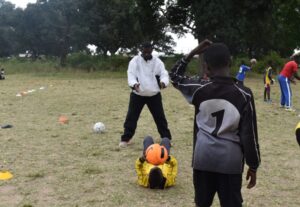
And through sport — football, boxing, and even golf — they offer not just recreation, but a pathway to confidence and belonging.
Sport as Sanctuary
In Mombasa, where children can be arrested simply for gathering in public, sport becomes a shield and a sanctuary.
Football pitches turn into safe spaces where laughter replaces fear. Coaches become mentors, and teams become communities. Through sport, children learn discipline, teamwork, and leadership — lessons that extend far beyond the playing field.
For many, these programs provide the first taste of safety, structure, and hope they’ve had in years.
A Partnership for Change
In recent years, Glad’s House UK merged with Chance for Childhood, ensuring that the work in Kenya continues with stronger capacity, shared expertise, and a united mission.
Together, they champion the rights of street-connected children, tackling systemic injustice and working toward long-term policy change. Their advocacy efforts continue to influence national discussions around child protection and the decriminalization of street-connected youth.
Why It Matters
Every child deserves to be seen, heard, and supported.
No child is “too difficult,” “too far gone,” or “too challenging.”
Glad’s House Kenya reminds us that walking beside someone in their darkest hour can be the first step toward a brighter future.
By choosing to see potential where others see problems, they give children a renewed sense of purpose — and a second chance at life.
The Challenges on the Ground
Supporting street-connected children is not without obstacles. Glad’s House faces deep-rooted challenges every day, including:
-
Systemic Stigma and Criminalization – Many young people are still treated as criminals simply for being on the streets. They face harassment, arbitrary arrest, and detention, often without legal representation.
-
Trauma and Mental Health Needs – Most have endured abuse, neglect, or violence. Providing trauma-informed care requires long-term commitment and emotional resilience from staff.
-
Barriers to Education – Traditional schools often exclude these children. Reaching them through mobile and non-formal education programs is a constant challenge.
-
Poverty and Urban Inequality – Overcrowded slums and lack of services push more children into street life, exposing them to exploitation and substance abuse.
-
Limited Resources and Funding – Sustaining essential programs depends on continuous fundraising and partnerships.
-
Navigating Bureaucratic Systems – Advocacy for policy change can be slow, requiring patience and persistence to engage with government structures.
Despite all this, Glad’s House continues to show up — every day, without fail — for the children who need them most.
How Glad’s House Kenya is Making a Difference
Through innovation, compassion, and data-driven advocacy, Glad’s House continues to create lasting change.
-
Trauma-Informed Outreach – Outreach workers build meaningful relationships with children on the streets, offering care, mentorship, and consistency that rebuilds trust.
-
Non-Formal and Mobile Education – Portable classrooms and creative teaching approaches help children learn wherever they are, bridging the gap to formal education.
-
Juvenile Justice Advocacy – Glad’s House provides legal aid, care packages, and reintegration support for detained youth — while pushing for reforms that protect children’s rights.
-
Sport for Development – Sports programs nurture confidence, leadership, and teamwork, turning play into purpose.
-
Family Reintegration and Independent Living – The team ensures every child leaving the streets or detention transitions safely — whether through family reunification or independent living support.
-
Evidence-Based Advocacy – Glad’s House collects data and case studies from their work to influence policy and build stronger systems for all children.
Each program is rooted in one belief: no child is beyond hope.
The Bigger Picture: Challenges Street-Connected Children Face
Across Kenya, thousands of children continue to face immense barriers that threaten their safety and dignity:
-
Lack of Access to Basic Services – Without documents or guardianship, many can’t access school, healthcare, or social protection.
-
Exposure to Violence and Exploitation – Life on the streets exposes them to abuse, trafficking, and exploitation.
-
Criminalization and Stigma – Survival behaviors like begging or sleeping outside often lead to arrest and further marginalization.
-
Poor Health and Nutrition – Many live without clean water, proper shelter, or consistent meals, leading to chronic illness.
-
Psychological Trauma – Prolonged exposure to violence and neglect leads to deep emotional scars.
-
Lack of Legal Protection – With no formal recognition, these children are often invisible to the systems meant to protect them.
These aren’t just personal struggles — they’re symptoms of systemic failure.
That’s why organizations like Glad’s House Kenya focus on long-term, rights-based approaches that treat children not as problems to be fixed, but as people to be empowered.
Walking Beside, Not Ahead
The work of Glad’s House Kenya is a daily act of courage and compassion — a commitment to walk beside young people on their journey from the streets to stability.
Because every child deserves a second chance.
Because no one is too forgotten to be found.
Because change begins when we choose to care.
Join the Journey
You can be part of this transformation.
Your support — whether through donations, partnerships, or volunteering — helps give street-connected children the chance to reclaim their futures.